
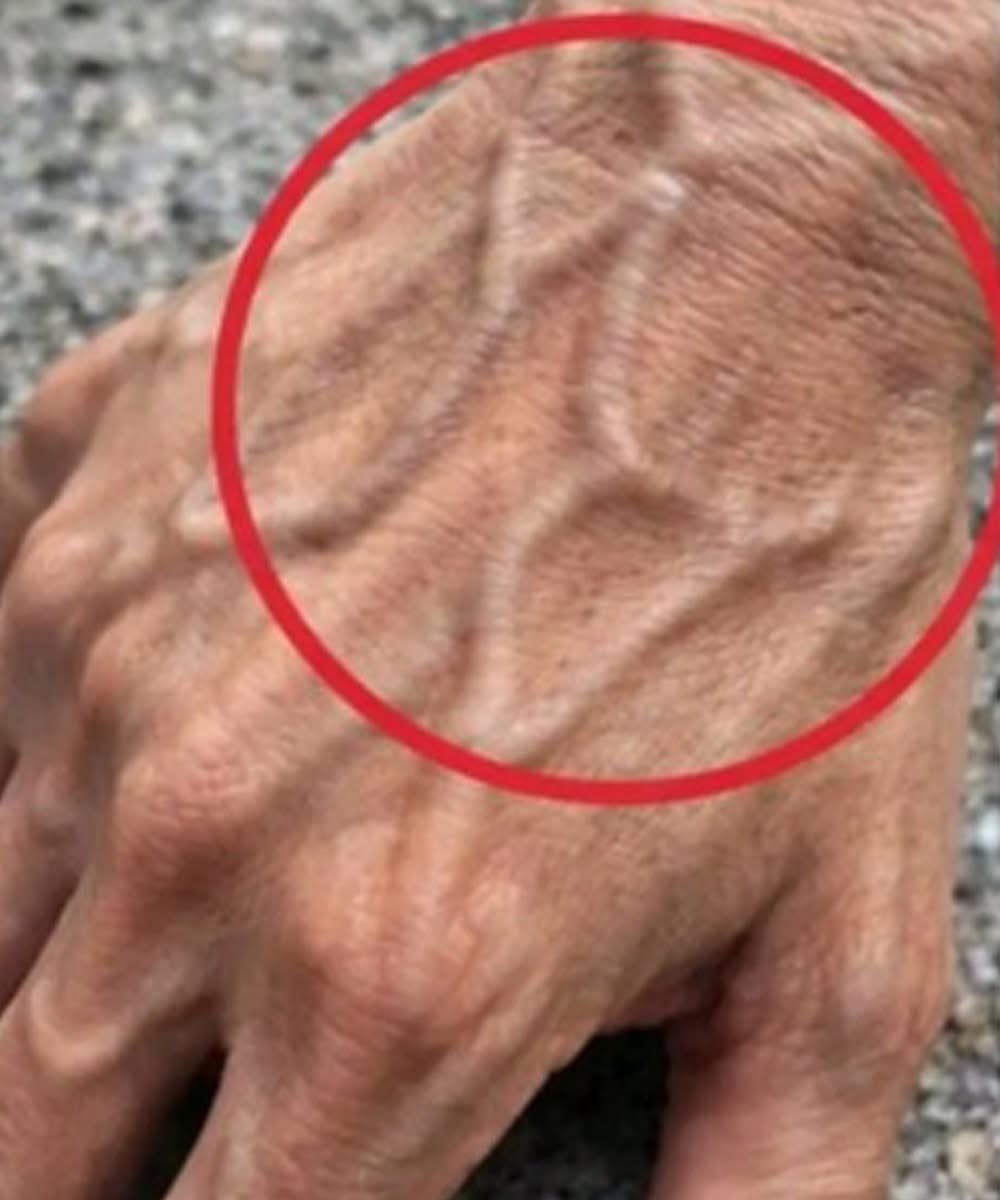
Do Visible Veins Mean Poor Circulation? What Your Body Is Really Telling You
Seeing visible veins on your arms, hands, or legs can be surprising. For some people, veins are subtle and barely noticeable. For others, they appear clearly under the skin and sometimes even look more prominent after exercise or in warm weather.
This often raises an important question: does this mean you have poor circulation?
In most cases, the answer is no. Visible veins are usually completely normal and depend more on body structure, lifestyle, and genetics than on any health problem. However, in some situations, changes in your veins can provide useful clues about your vascular health.
Let’s explore what visible veins really mean, when they are harmless, and when they deserve attention.
Why Veins Become Visible: Normal and Common Causes
Visible veins are usually a natural part of how the human body works. They become more noticeable based on several everyday factors rather than disease or poor circulation.
One of the most common reasons is low body fat. When there is less fat under the skin, veins are closer to the surface and therefore easier to see. This is especially common in athletes, active individuals, or naturally lean people.
Another important factor is skin type and aging. People with lighter or thinner skin often notice more visible veins. As we age, skin naturally becomes thinner and loses elasticity, making underlying veins more apparent.
Temperature also plays a role. In warm conditions, blood vessels expand in a process called vasodilation. This allows more blood to flow near the skin’s surface, making veins appear larger and more visible.
Physical activity is another key factor. During exercise, muscles require more oxygen, increasing blood flow. This temporary boost often makes veins stand out more clearly, especially in the arms and legs.
Finally, genetics plays a major role. Some people simply inherit more visible veins, and this can be completely normal within families.
In all these cases, visible veins are not a sign of poor circulation—they are simply a normal variation in human anatomy.
When Visible Veins May Indicate a Health Concern
While most visible veins are harmless, there are certain situations where changes in appearance or symptoms may point to an underlying issue in the venous system.
One common condition is varicose veins. These are enlarged, twisted veins that often appear on the legs. They occur when the small valves inside veins weaken, causing blood to pool instead of flowing efficiently back toward the heart. Over time, this can lead to heaviness, aching, or swelling in the legs.
Another situation to watch for is sudden swelling in one limb. If one arm or leg becomes noticeably swollen and the veins appear more prominent at the same time, it could indicate a circulation issue that requires prompt medical attention.
Inflamed or painful veins are another warning sign. A vein that feels warm, tender, or appears red may be inflamed, which should be evaluated to rule out infection or other vascular problems.
In rare cases, new and widespread veins on the abdomen or chest may signal an internal issue and should always be checked if they appear suddenly or without explanation.
The key point is not to panic, but to observe whether visible veins are accompanied by pain, swelling, or sudden changes. Those symptoms matter more than appearance alone.
Visible Veins vs. Poor Circulation: Understanding the Difference
A common misconception is that visible veins automatically mean poor circulation. In reality, true circulation problems usually involve the arteries, not the veins.
When arterial circulation is reduced, symptoms are often very different. They may include cold hands or feet, pale or bluish skin, weak pulses, or pain during walking that improves with rest. These are signs that blood is not reaching tissues effectively.
Interestingly, when arterial circulation is poor, veins are often less visible, not more. This is because less blood is reaching the area overall.
Visible veins alone, without symptoms, are usually not a sign of circulation problems. They are more often related to skin thickness, activity level, or genetics.
How to Support Healthy Circulation Naturally
The most important part is just ahead — click NEXT »»
