
“Because nobody is allowed to scare us forever.”
She thinks about that.
Then she nods in the solemn way only children of chaos can nod, like someone much older just signed a quiet treaty with hope. “Okay,” she says. “Can I have cereal?” The world, rude and miraculous, keeps moving.
The next two days teach you the house’s rhythm.
Teresa wakes first and likes to complain before coffee. Verónica leaves at eleven in too much perfume and comes back with gossip, shopping bags, and the sort of eyes that light up when someone else is cornered. Damián disappears for hours, returns with less money than he should have, and drinks hardest on the nights he loses.
You learn where he keeps his phone.
You learn that Teresa stores cash in an old cookie tin and that Verónica knows every bruise on Lidia’s arms by shape and age. Most importantly, you learn what kind of violence Damián prefers. Not wild public rage. Controlled private certainty. The sort that says, “You belong to the room I shut behind you.”
On the third night, he tests you.
He comes home drunker than before, finds no meat left because Teresa served the last of it to a cousin, and decides the missing thing in the house is not food but someone to blame. Sofi is already asleep. Verónica smirks from the hallway. Teresa does not even look up from the television.
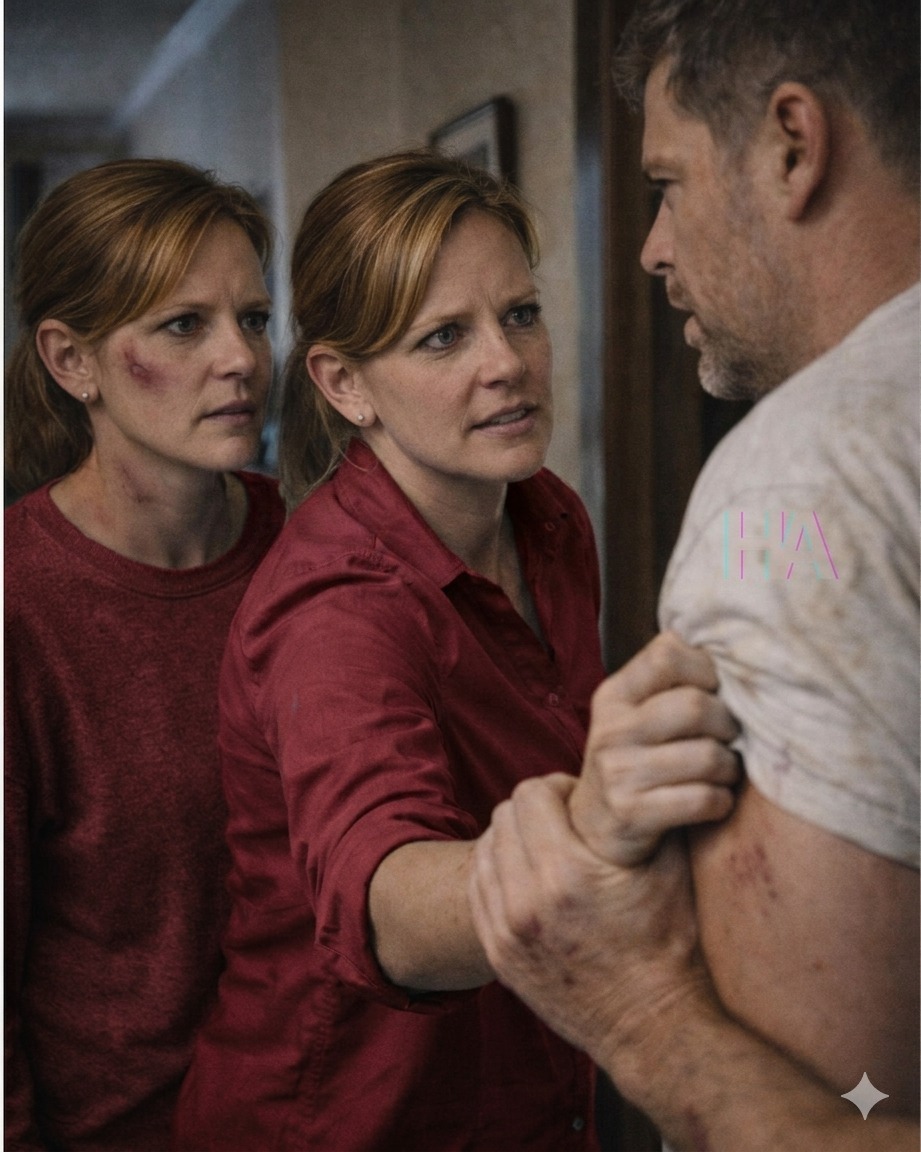
Damián grabs your wrist.
For ten years in San Gabriel, men in white coats wrote paragraphs about your impulses as if they were weather patterns. No one ever asked what happened to the body forced to sit still while cruelty strutted around pretending to be authority. When Damián’s hand closes around your wrist, your first instinct is clean, fast, and old: break it.
Instead, you let yourself do something smaller.
You twist just enough.
Not enough to expose yourself. Not enough to send him into real panic. Just enough that his fingers buckle open on reflex and he stares at you as if he has touched a wire where a woman used to be. The room freezes.
“What was that?” he asks.
You lower your eyes like Lidia would and say, “You were hurting me.”
That works better than if you had lied.
Because now he has to decide whether he imagined the strength in that tiny motion or whether fear has begun changing his wife in ways he doesn’t understand. Abusers hate uncertainty more than resistance. Resistance can be punished. Uncertainty keeps them awake.
Later, when he falls asleep facedown and snoring, you take his phone.
The passcode is Sofi’s birthday. Of course it is. Men like him like to borrow innocence even for their locks. You move quickly, copying messages to Lidia’s email draft folder, photographing loan notices, and forwarding a thread between Damián and a man named Chino Serrano who is done “waiting like a fool while your wife still has assets.”
Assets.
You read that word three times. Not savings. Not money. Assets. Somewhere under the bruises and terror, Damián thinks like a scavenger with a calculator. The messages make it clear. He owes enough gambling debt to be desperate, and his plan is nearly ready.
He wants Lidia to sign over a small house lot outside Toluca left to her by your late grandmother.
You had forgotten the lot existed.
Lidia probably tried to. Families talk about land like it is a blessing while men plan around it like vultures circling heat. The transfer is set for Friday, only four days away, through a “friendly” notary who won’t ask too many questions as long as Damián arrives sober enough to form his own name.
The next message is worse.
If she starts with the crying or refuses, we use the instability angle. Her sister’s file helps. A judge will sign anything if we say child risk.
You stare at the screen until your jaw hurts.
There it is. Not just a plan to steal land. A backup plan to put Lidia away the way they put you away. Your life turned into a template for her imprisonment. Suddenly the white halls of San Gabriel are no longer ten years behind you. They are standing in the room.
At 2:13 a.m., you make your first outside call.
Dr. Lucía Ferrer answers on the fifth ring.
She is one of the few people at San Gabriel who ever spoke to you like a person instead of a file. Young for the place, sharp-eyed, and dangerous in the quiet way all good women are dangerous once they stop mistaking institutions for morality. When she hears your voice, she does not waste time on shock.
“I thought it might come to this,” she says.
You tell her everything.
Not elegantly. Not chronologically. The bruises, the child, the swap, the debts, the Friday signing, the threats about using your psychiatric history against Lidia. She listens the way doctors should always listen when the story matters more than the diagnosis. By the time you finish, she has already shifted into action.
“Your sister stays where she is,” she says. “I’ll move her to the protected wing and log her under emergency trauma observation.” You close your eyes in brief gratitude. “And I’m calling Alma Reyes.”
“Who is that?”
“A lawyer who likes abusive men least when they think paperwork belongs to them.”
That answer is good enough for now.
By morning, you have an ally.
Alma arrives that afternoon in a small blue hatchback with no makeup, blunt bangs, and the expression of a woman permanently unimpressed by male improvisation. She poses as a social worker collecting vaccination information because in neighborhoods like this, people will tolerate government-looking women as long as they assume the problem belongs to someone else’s child.
She meets Sofi in the yard.
She sees the bruised tension in the house, the stains, the way Teresa answers for everyone, the way Verónica hovers half-listening, already irritated by questions she cannot dominate. Alma does not ask much while inside. Good lawyers save their real curiosity for rooms with doors that lock.
When she leaves, you follow her out with the trash.
The most important part is just ahead — click NEXT »»
