
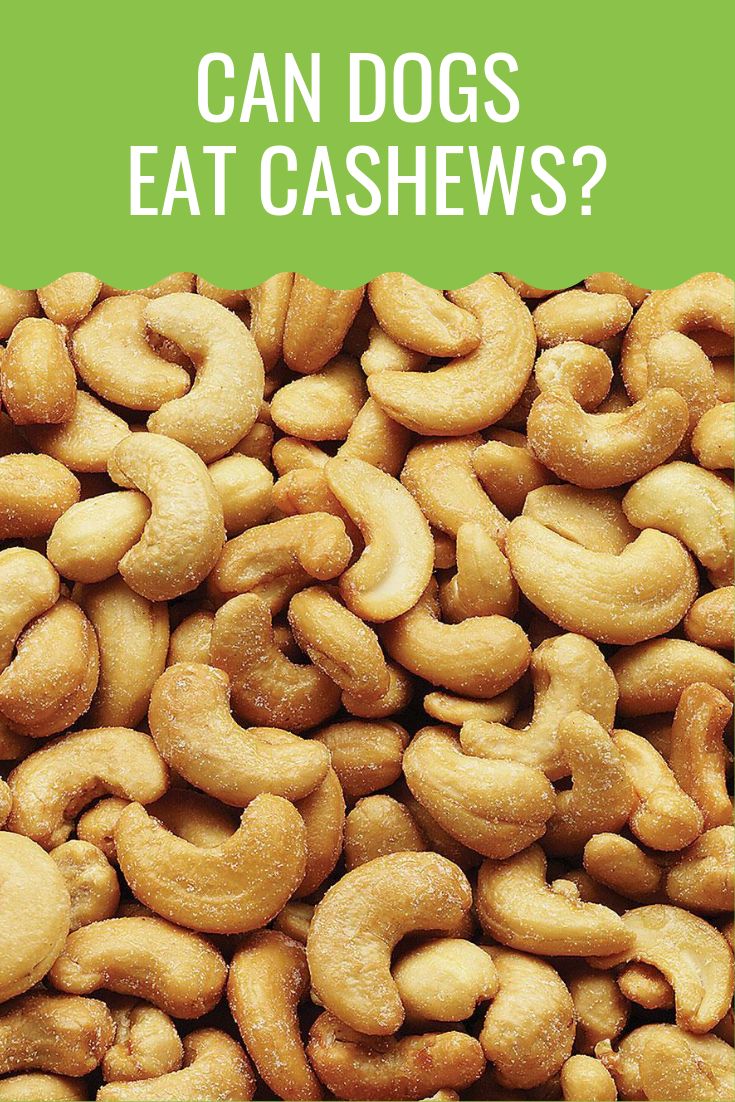
Choosing the Right Type of Cashews
Choose unsalted and unseasoned cashews, to avoid excessive amounts of salt, sugar, and spices. It is also important not to choose chocolate-covered nuts, which may be a delicious option for us, but chocolate is toxic to dogs.
Not all nuts are safe for dogs, with some types of nuts being toxic to our canine friends. Therefore, it is important not to feed your dog nuts from a mixed variety pack, as it may include some nuts which aren’t safe for dogs to eat such as macadamia nuts or black walnuts.
Therefore, if you want to give your dog these nuts, make sure you choose plain, natural cashews.
Which Dogs Should Not Eat Cashews?
There are some dogs who should really not eat cashews, even if they use their big puppy eyes trick on you, as the risks outweigh any benefits for them.
- Don’t give cashews to dogs who have previously suffered from pancreatitis, due to their high-fat content.
- Older, overweight, female dogs of some specific breeds (miniature schnauzer, poodle, cocker spaniel) have a higher risk of developing pancreatitis.
- Overweight dogs should avoid cashews too.
- If your dog has had an allergic reaction to any other types of nuts, then it is best to avoid nuts in general.
Instead, you can choose a lower-fat treat option, such as a healthy vegetable or fruit. Healthy options include a little bit of banana, watermelon, cooked carrot, or sweet potato.
Conclusion
Cashew nuts are safe for dogs to eat, as they are not toxic in any way. However, due to their high-fat content, they shouldn’t be fed in large quantities or be given very often. Regularly giving food high in fat to dogs can cause them to gain weight, increasing their risk of obesity which is linked to heart disease, joint problems, and diabetes. High-fat food also puts them at risk of pancreatitis, a painful and sometimes serious disease of the pancreas.
Cashews do offer some surprising health benefits if fed in moderation, hence why they are such a popular snack for people worldwide. They are a great source of essential minerals, vitamin K, antioxidants, protein, and unsaturated fatty acids (the good fat!).
If you choose to give your dog cashews, then it should be a very small amount given as a treat, and not very often. Some dogs should avoid them altogether, especially those that have previously suffered pancreatitis or those that might be prone to developing it, or dogs who have had an allergic reaction to other types of nuts. In these cases, the risks outweigh any possible health benefits, and a lower-fat, healthier treat would be a better option.
Always seek the advice of your veterinarian if you are unsure about your dog’s health or diet.
We hope you found this article interesting and informative. If so, feel free to spread the word!
The most important part is just ahead — click NEXT »»
